
Introduction
Using various forms of art as a method of healing has been in social work practice for quite a long time, such as various art therapies through music, painting, dancing, singing and theatrical performances. Despite that, art and creativity are yet to be taken seriously as a perspective in academic research-oriented social work teaching or as an approach of praxis in fieldwork-based learning. Therefore, the dialogue centering the possibility of mainstreaming creativity-based approaches and perspectives in academic and practice-based Social Work is the need of the time. Such dialogues and discourses are essential, especially in the contexts of decolonisation and indigenisation of Social Work discourses and curricula; that is to say, rather than imposing Western models of Social Work interventions and methods, indigenous artistic communities should be given infrastructural support to grow and hone the skills they have been practicing for generations. The state, policymakers, academic institutions and civil society have a collective responsibility to look into the aspects of underdevelopment and lack of basic amenities and infrastructural issues of the artisans and make interventions that help them develop in a sustainable way while keeping open the road to modernise themselves if they wish to do so.
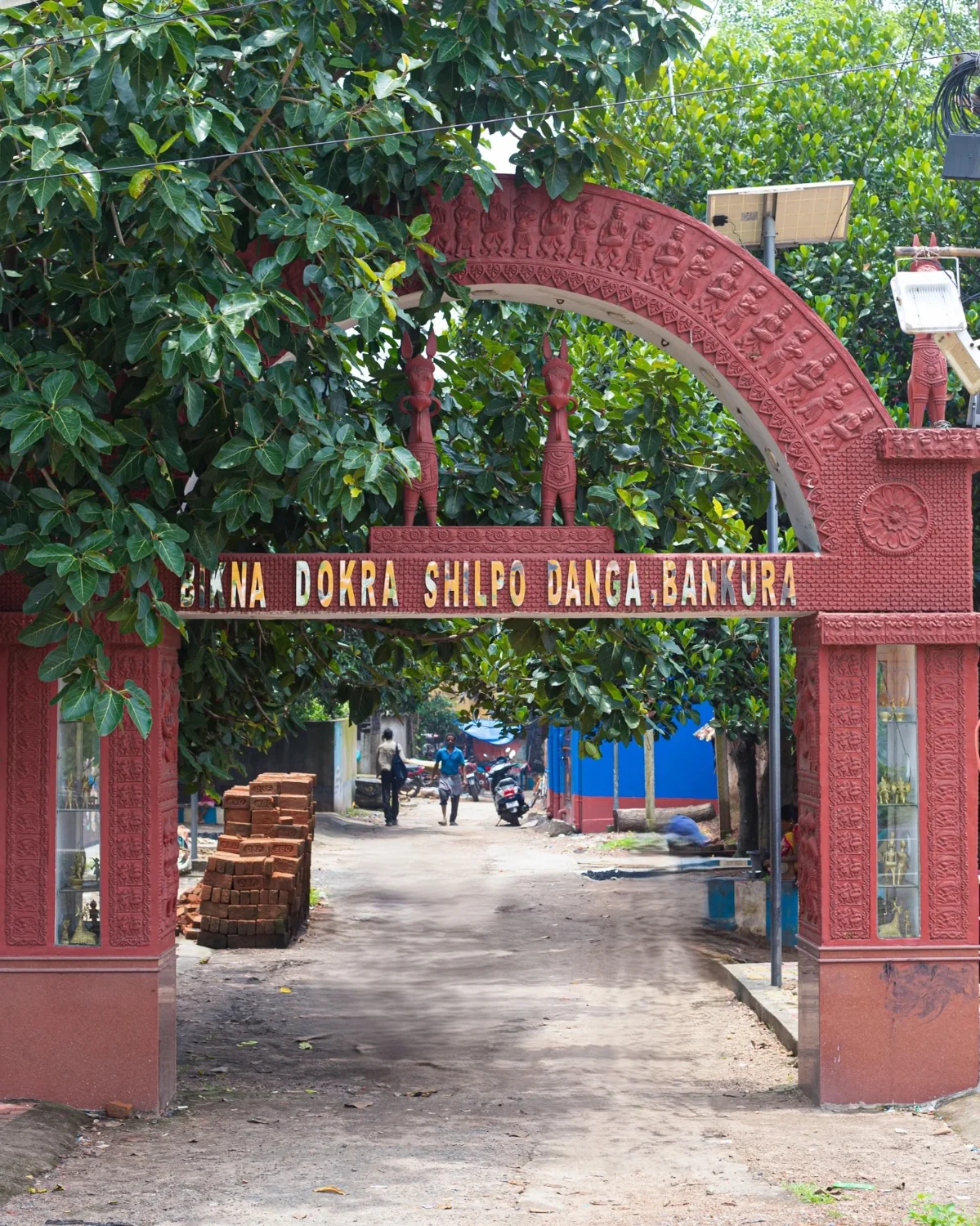
Bankura and adjoining Bishnupur have a rich cultural history and heritage of various small-scale cottage industries, such as Terracotta, Dokra/Dhokra, Baluchari and Swarnachari Silk, Conch Shell Craft, Stone Carving, Bamboo and Wood Craft and so on. The article ventures to give a brief overview, focusing on the Dokra/Dhokra artisans and the Dokra cottage industry, which is a means of livelihood for the indigenous rural communities, especially focusing on Shilpadanga/Dokra Para of Bikna village.
Methodology
The theoretical and methodological perspectives of this work combine interdisciplinary approaches and are primarily based on my experience of field-based supervision as a Social Work educator in Bankura district, West Bengal, India.
In addition to non-participant observation, and the artworks collected from the artisans; content analyses of primary sources, like audio-visual recordings and field work reports submitted by the postgraduate students of social work have been supplemented with secondary literature reviews of printed materials, such as, books and journals, reports from various newspapers, and materials collected from various websites, to build up an understanding in exploring various interlinkages between people, places, art and culture and methods of Social Work intervention at the Bikna village of Bankura district in rural West Bengal.
Dokra Craft, Artisans and Livelihood
Years ago, I was attending a certificate programme on Art Appreciation at the National Museum, New Delhi, when I came across a beautiful metal artefact in bronze, known as the ‘Indus dancing girl’. Nobody knew the name of the artisan, but everyone knew where the masterpiece came from. It came from Mohenjo-Daro in the Indus Valley, a sign that a thriving and highly sophisticated urban civilization existed in the Indus Valley thousands of years ago. I knew that this is not merely a ‘prehistoric dying art '. This is a craft that withstood the time, and craftswomen and craftsmen have kept this art alive in various regions of India. A few centres of the Dokra industry in West Bengal are Bankura, Purulia, Burdwan and West Midnapore. Bikna, Khatra, Lakshisagar, Chhatna, and Shaltora are some of the places famous for the Dokra industry in Bankura district.
As my professional and academic career brought me to Bankura, I became more aware of this artisan community and their livelihood. I discovered with immense surprise that the Dokra or Dhokra metal-casting process still uses the same techniques to create gorgeous bronze artefacts as once done in Mohenjo-daro. Nevertheless, the Dhokra artisans of Bikna trace back their ancestry to nomadic tribes of the Chotonagpur region, if not of Mohenjo-daro. Eventually, they moved to Bikna seeking better opportunities for their craft, turning it into a prominent centre for Dhokra artistry.
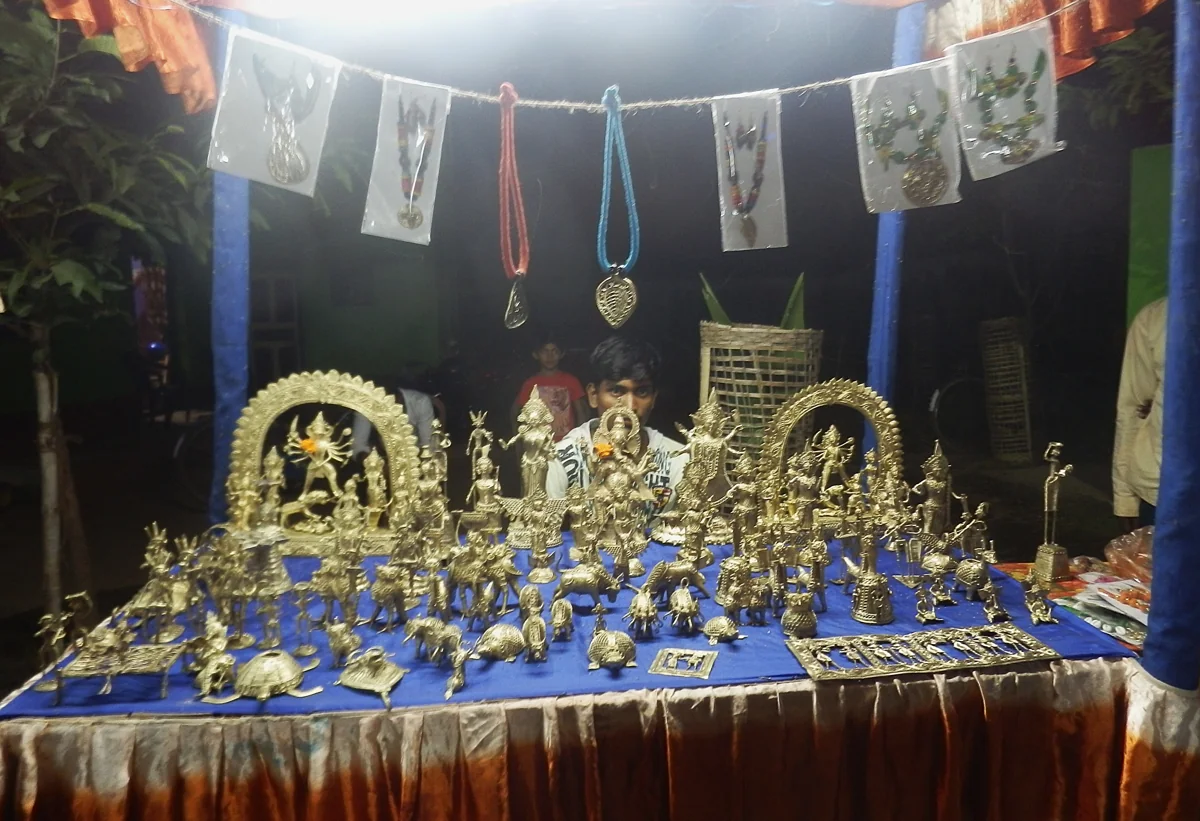
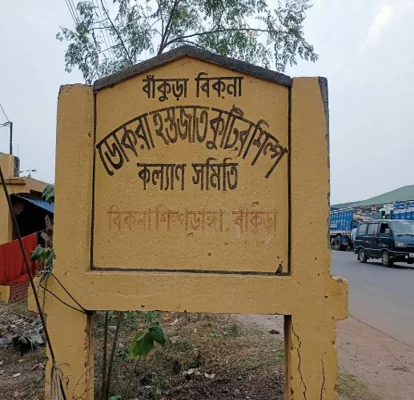
Bikna village is divided into several neighbourhoods or paras, such as Ashram Para, Napit Para, Chutor Para, Bamun Para, Chatri Para, Gorai Para, Upar Bauri Para, Namo Bauri Para, Roy Para, Singha Para, Goyla Para, Malla Para, Bagdi Para, Lagardanga, and Shilpadanga/Dokra Para. These neighbourhoods are usually divided according to the people of various caste groups who reside there. Sometimes the paras are also divided according to the profession, like Dokra Para/Shilpadanga. Historically, castes and occupations have close interlinkages in rural Indian societies. Bikna represents a typical combination of various types of rural economic livelihood, as reflected in a unique blend of traditional artisanal craftsmanship, agriculture, and various categories of wage labour.
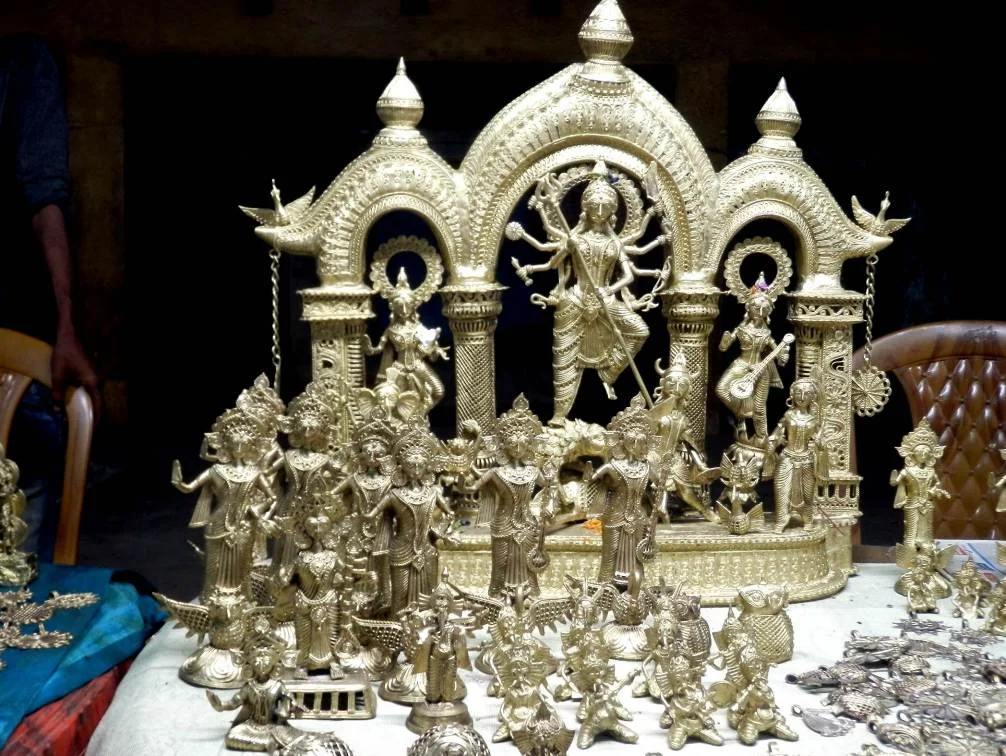
All the families in Shilpadanga/Dokra Para are involved in Dokra work. Sometimes the workforce includes the children of the families. Previously, 'Dokra art' used to produce traditional items, like idols of Hindu gods and goddesses, various objects of religious worship, owls, elephants, and horses. However, some traditional Dokra works also portrayed various animals and scenes from rural life. In recent years, Dokra artworks have gone through an artistic paradigm shift in the approach, attempting to create Dokra items fit to be sold in urban markets by catering to the tastes of the urban populace and their lifestyles, as reflected in the production of key hangers, bracelets, earrings, paperweights, ashtrays, table lamps and so on.
Needless to say, some of the artisan families at Shilpadanga /Dokrapara are economically doing better in comparison to the other artisans.
The Bikna Gram Panchayat is the focal point for government-run social welfare schemes and programmes, financial aid, and civil certification. Services like old-age pensions, widow pensions, and direct cash transfer programmes, Lakshmi Bhandar (now Annapurna Bhandar), are all processed through rural administration. Though the Dhokra artisans avail the financial benefits of a few government welfare schemes, they have to buy the soil, coal, metal, metal dust, wax, and other necessary raw materials they use for the Dokra craft. The sum received by the Dokra workers after selling the artefacts is either used in running their own families or reinvested in buying the raw materials for their work. Nonetheless, the earned money also gets wrongly spent on alcoholic addictions and gambling. Occasionally, the small amount of saved money is also deposited in the nearby banks. Usually, the Mahajans or big money lending businessmen give the artisans orders, and they produce the crafts accordingly. Nevertheless, they get to sell their work at exhibitions, festivals, fairs, as well as to individual customers whenever the opportunities arise. However, a few artisans are doing well by using digital technologies.
Some of the residential houses of the artisans are made of concrete; some of the houses are semi-structured, and some are mud houses, reflecting this economic disparity in their respective incomes. In recent years, the PMAY-G scheme of the government has been trying to provide pucca houses to all. However, whether pucca houses are more sustainable or whether scientifically structured mud houses can be more eco-friendly-that may be a matter of ecological debate.
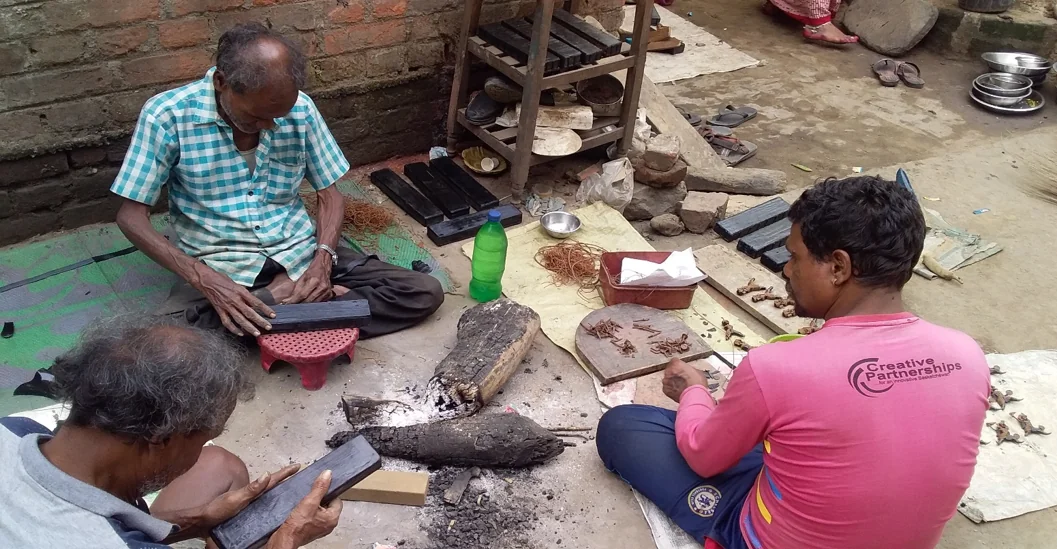
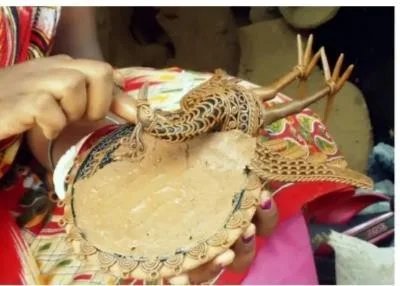
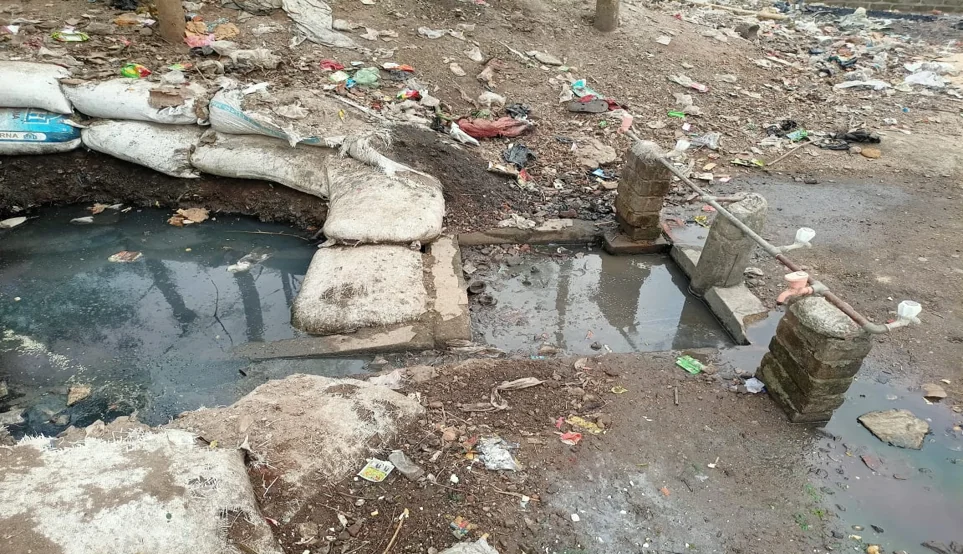
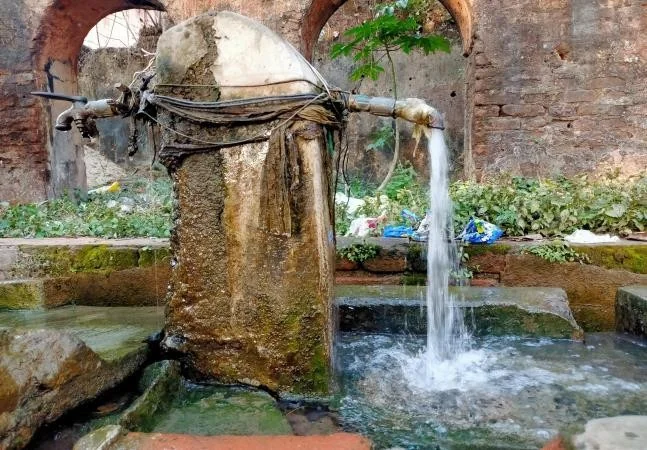
Some students’ reports indicate the living conditions of the Dokra artisans, which are unhygienic and characterised by the typical features of underdevelopment prevalent in the rural areas of Bankura. Electricity is available in almost all houses in the Village. Nevertheless, water supply, sanitation, and the drainage system in the village are far from meeting the basic livelihood standards. A proper drainage system and access to safe drinking water are the basic requirements in many rural areas of Bankura, especially during rainy seasons and summer months. The families usually depend on handpumps and wells for drinking water. Notably, the Swachh Bharat Mission of the government is attempting to address the issue of rural sanitation, and some concrete toilets have been constructed under the scheme. Unfortunately, those toilets are mostly being used as storerooms or as places for keeping animals, as there is no regular water supply.
The villagers suffer from malnutrition and seasonal diseases due to poor sanitation and healthcare access. The majority of the people, including some minors, are addicted to various types of tobacco products and addictive substances. The local sub-health centre is located near Bikna High School. The Asha workers of the sub-centre help pregnant women in prenatal and postnatal care, advise the villagers against child marriages and teenage pregnancies, ask the women to maintain menstrual hygiene, ensure registration of births and deaths and follow up on the villagers who have adopted the family welfare system. The artisan families also go to the local doctor in the neighbourhood for treatment of minor health issues. Additionally, they also visit the Primary Health Centre (PHC) at Kanchanpur or Bankura Sammilani Medical College and Hospital, the Government medical college cum hospital in Bankura town, for treatment of more serious health problems. They can avail free treatment accessible to all only at Bankura Sammilani Medical College and Hospital.
There are some ICDS centres in the Bikna village. The ICDS centre at Dokra para is located on the school premises of Bikna. The purpose of the students behind visiting the ICDS centres is to get food. Mostly, the food menu consists of Khichuri along with either a vegetable or half of a boiled egg.
Bikna houses primary and secondary government schools. Children in the Bikna Dokra industrial village are all enrolled in schools, and the education in government schools is free for all. However, achieving success through the mainstream education system does not appear to be appealing to them. They frequently drop out of school to help their artisan parents and family members at home. I have observed that artisan kids are either seen playing in the neighbourhood or helping the senior family members in making Dokra crafts during my fieldwork visits to the village.
There are several reasons behind this situation in education. Primarily, the schools do not have good infrastructural facilities like sufficient classrooms, bathrooms, modern equipment, or necessary staff. The majority of adult members of the artisan households, including the parents, are not only busy with Dokra work, but also are themselves illiterate or semi-literate. Thus, the senior family members and parents are not in a position to help their children become educated. This is coupled with the children’s disinterest in study. Nevertheless, the artisans tend to encourage their children to study despite their lack of ability to help the kids.
In addition to our students, a lady comes to teach the children for free in the afternoon in the village. Nonetheless, children keep playing at the same time, as getting their attention focused on study is a difficult matter. Interestingly, some children who have dropped out of school and left the formal schooling system can be seen in such informal classes.
In addition to Dokra work, some artisan-kids are interested in extracurricular activities and have a flair for music, recitation, painting, and dancing. Unfortunately, no specialised individual is coming to coach the artisan kids to develop their artistic talents. These artisan kids are mostly self-taught and learn the skills of performing arts, such as dancing, by exploring various digital websites on their parents’ mobile phones, such as YouTube. This is an arena that is less explored, and we encourage our students to make their interventions more creative by helping the children to develop their artistic talents through the group work method and related activities. Postgraduate students engaged in fieldwork in Bikna are advised to teach the children via non-formal education classes through games and creative activities such as dancing, singing, painting and so on.
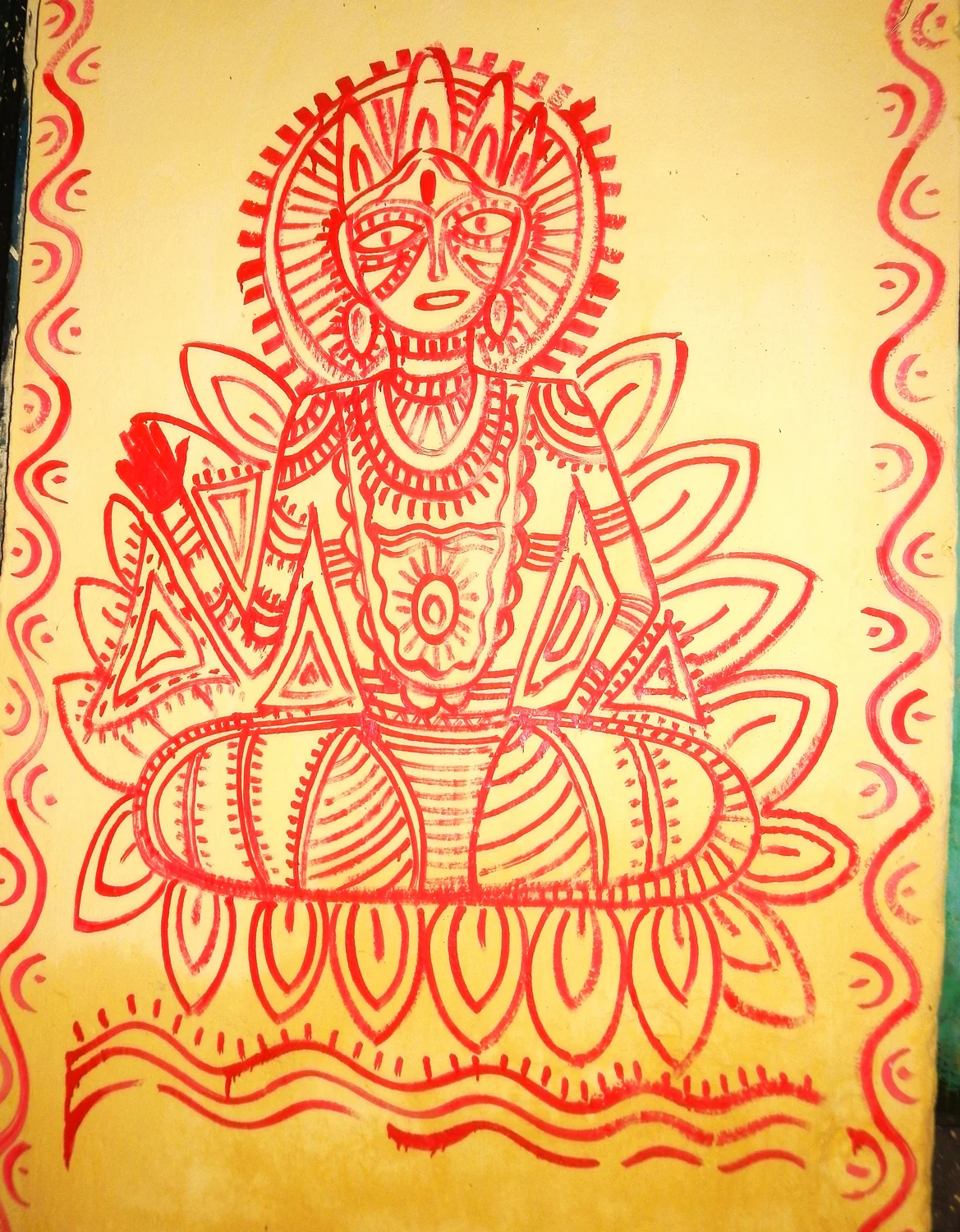
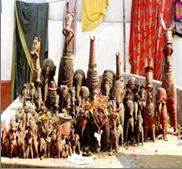
The Dokra village worships various gods and goddesses- the god of artisans and workers, Bishwakarma and the snake goddess, Manasa, deserve special mention. The other religious festivals include worship of the Vedic goddess, Saraswati, Ras Mela, Gajan and other local celebrations. Many temples and sacred places of worship are scattered all over the Bikna village. The villagers, including the artisans, take part in festivities like Durga Puja and Kali Puja outside the village. They also celebrate Makar Sankranti, Poush Sankranti and Poila Boishakh (the Bengali New Year) by making and distributing homemade sweets.
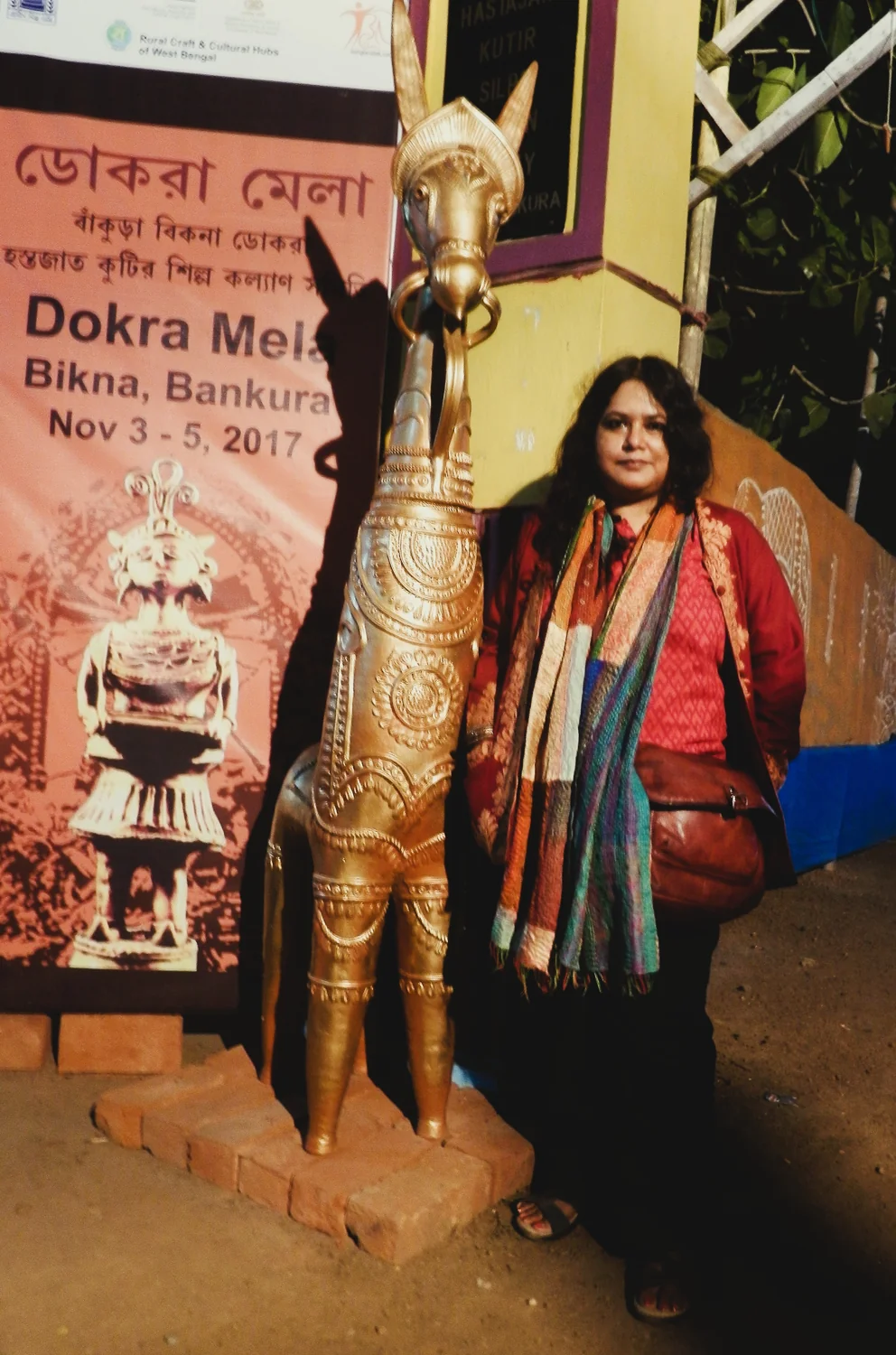
In addition, the government used to organise an annual fair to market Dokra products in the month of October. The artisans and their families joined the fair with enthusiasm, rejoicing and earning money by selling their artworks. This Dokra fair/festival also provided a platform for various indigenous artistic communities to perform their respective art forms, such as Chhau dance, Baul songs, Jhumur songs and dance, Kabigan, Keertan and so on. However, this fair has not taken place since the post-COVID period and needs to be revived urgently.
As discussed above, from my observation as a field work supervisor of the post graduate students of social work for the past ten years, experiences of interacting with the villagers and artisans and from the analyses of the contents of some field work reports submitted by the postgraduate students of social work placed for their field work in Bikna, the adversities and challenges of the livelihood of these talented, skilled artisans and the need to rethink the ongoing approaches, methods and models of intervention became clearer.
Current Community Interventions
What should be the approach to intervention when working with indigenous artistic communities such as Dokra artisans? Can art be a method of intervention? How do we help them to grow in a sustainable manner that would strengthen their cultural identity and heritage and make them economically more prosperous?
The Dokra Shilpodanga at Bikna is in itself an effort towards community development. Artisans, despite living in rural poverty, are comparatively better off in comparison to some other villages of rural areas in Bankura district because they have their ways to channelise their thoughts, emotions, existential realities and cultural expressions through Dhokra craftmanship. Dokra craft has also made them economically more self-reliant. However, as discussed, it cannot be called an ideal model of community development. It has certain lapses and gaps which are beyond the scope of our intervention and are in the hands of the concerned authorities.
We are neither representatives of Non-Government Organisations (NGOs) nor of Community Based Organisations (CBOs). Our students are from the Social Work department of a state-aided public university and are intervening at Bikna as it is a part of their field work curriculum. A batch of social work students gets to work at Bikna for two semesters during their Open Community Fieldwork. The students of the previous year introduce a fresh batch of students to the community in the next year. The university, along with the Department of Social Work, remains attached to the community over the years in this manner. Therefore, our scope of intervention is limited by the university protocols, existing fieldwork syllabus, manpower, and resources.
Keeping these limitations in mind, our intervention could not become either as indigenous or as creative as it should have been so far. However, our students and we tried to intervene sensitively, taking into consideration the artistic nature of the community, and we have done so through various fieldwork methods, such as group work, community organisation and cultural programmes.
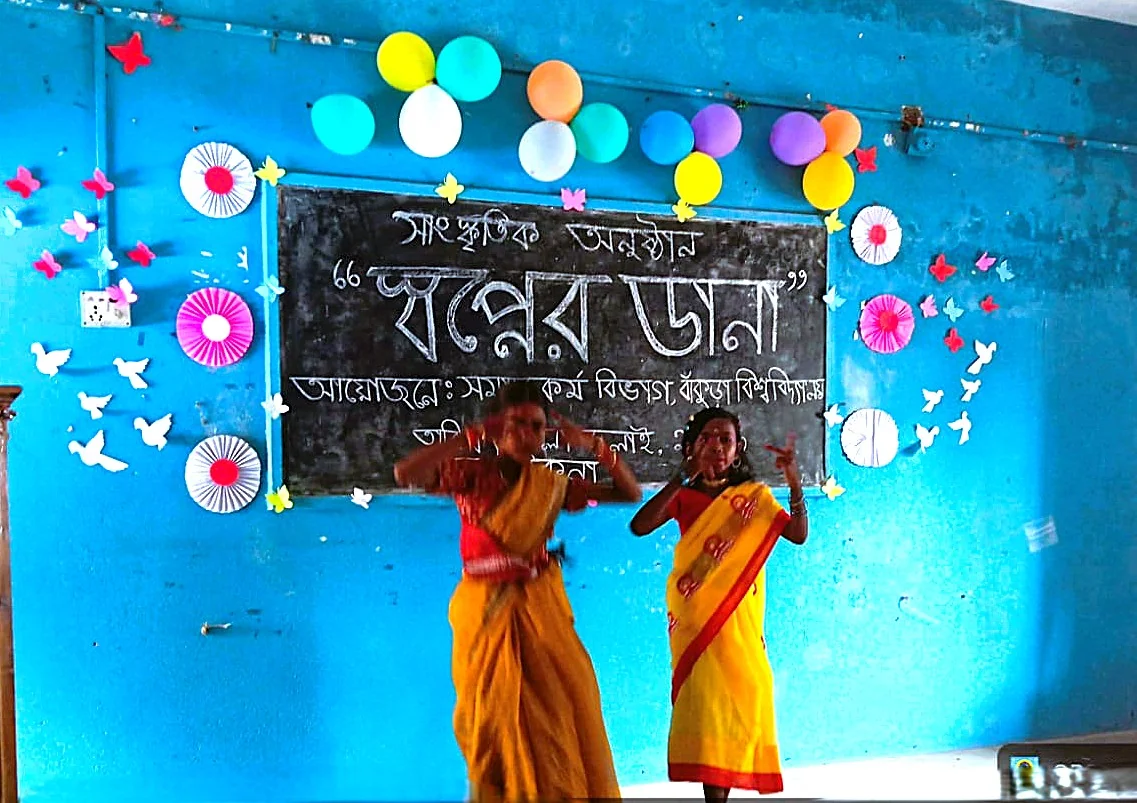
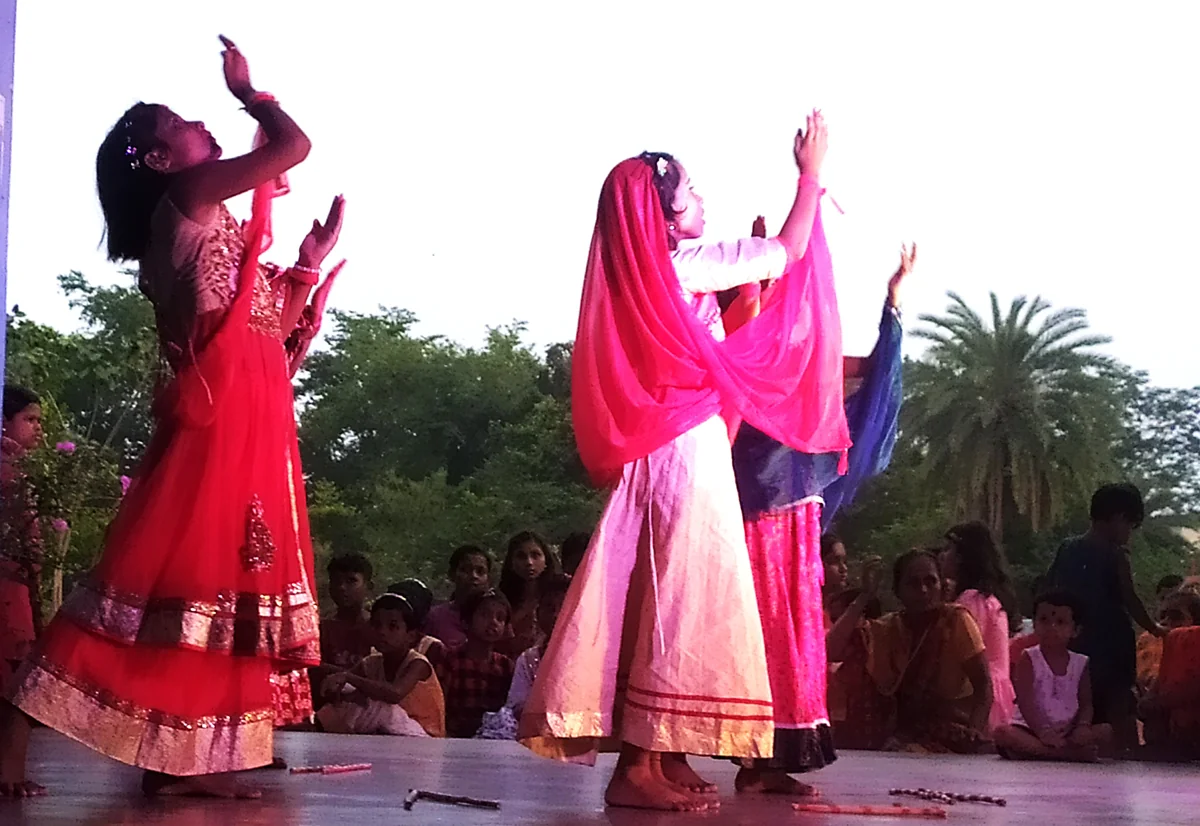
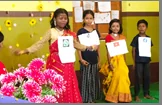
Considering the need for the indigenisation and decolonisation processes that are underway in the fields of social sciences and social work curriculum and discourses worldwide, we have tried to focus on the local songs, forms of dance, and cultural expressions while organising the cultural programmes that are not only for entertainment, but also carry out various social messages at the same time. The Cultural Programmes usually form the concluding part of the trainee social work students' fieldwork activities. These programmes are organised creatively and systematically for months, involving the children of the artisans. They participate in these programmes, showcasing their artistic talents through musical performances, dance choreographies, recitations, plays and sometimes even mimes. At the same time, the songs and dances are based on folk and popular cultural traditions. Small dramas performed by the children and taught by our Social Work students carry important social messages, reflecting issues of the community. The topics of these theatrical performances may range from domestic violence, alcoholism, substance abuse and digital addiction issues, to illiteracy, child marriage, environmental concerns, health, hygiene and well-being. All these activities to be presented in the cultural programmes are taught to the artisans’ children over the months by our students and practiced through Group Work activities.
Moreover, our MSW students organise sports programmes for the children and Community Organisation activities for all the villagers. Community Organisation activities are mainly based on issues faced by the community such as domestic violence and gender, substance abuse and addiction, illiteracy and school dropout, child marriage and reproductive health issues, general health and hygiene, environment, digital well-being, awareness generation activities on government schemes, and so on, leading to collective and participatory approaches of development. Our students also organise eye check-up camps, health camps, and legal awareness generation camps for the villagers.
Nevertheless, we understand the need to be more creative and indigenous in our intervention approaches, especially in Shilpadanga, Bikna, considering the artistic heritage and identity that are specific to the community.
Way Forward in Strategy and Praxis
Decolonisation as a process emphasises the formation of newer discourses and knowledge by the indigenous and native people who were victims of colonisation for centuries. Decolonisation in social work means critically analyzing existing practices and policies to identify and address gaps, prejudices, and structural oppression that might have been inherited from long-standing colonisation and could be disadvantageous to the indigenous/local communities.
Indigenous social work is an area of practice and research that is increasingly gaining importance due to its unique approach of highlighting a participatory approach based on community engagement and cultural relevance in addressing the complexities faced by native communities.
By being empathetic to the specific socio-cultural-historical contexts of the Bikna Dokra artisans, we, the social work educators and students, can better comprehend the current challenges faced by such communities, ranging from inequality, health, socio-cultural issues, economic deprivations, educational incompetencies and so on. Putting forth a holistic approach in creating sustainable interventions demands understanding complexities that are local and culture-specific and can align with the aspirations, values and traditions of such local artisan communities. In the case of artisans of Bikna and artistically similar communities, cultural revitalisation, promotion and preservation of traditions and practices may be considered more crucial. In Bikna, like many native communities around the world, traditional practices, festivals and socio-cultural values play a crucial role in daily life. As mentioned above, many socio-cultural and religious festivities take place in Bikna throughout the year. Therefore, these festivities/spaces can be used to spread messages regarding social issues, awareness generation campaigns and as platforms for various people-centric initiatives in practice, ensuring that interventions are not only culturally sensitive but also culturally empowering, leading to future sustainable development.
Social work practices are more likely to succeed if they involve community members through a participatory approach in the planning and implementation of programmes to address their own challenges. Gram Sabha is an instrument within the Panchayati Raj system that provides the scope of community participation in the decision-making process of development. The government and concerned authorities may consider better welfare schemes and measures that would cater to the economic needs of the artisans in particular, giving their crafts financial support in terms of supplying raw materials and better scopes of exhibiting and selling their crafts nationally and internationally, maintaining the sustainability of their livelihood. The existing issues of rural water supply and sanitation, different welfare schemes and programmes including ICDS, emerging from the gaps between policy, schemes, and their implementation in praxis, demand a more comprehensive and transparent administrative mechanism with an indigenous (local) people-centric approach. These issues may be raised and addressed by the villagers in Gram Sabha. Social Work students can play a vital role in awareness generation among the villagers regarding their rights within the existing system.
Moreover, it is important to recognise the need for intergenerational transfer of knowledge and skills. In the case of Shilpadanga, Bikna, we witness the skills of making Dokra crafts being transferred from one generation to another. Instead of expecting the children to adopt mainstream education, it would go a long way if we think of developing an alternate approach to education through non-formal classes that can accompany their vocational training of learning the Dhokra craft from their elders. Nonetheless, this does not mean the children of the artisans should not be allowed the right to self-determination; rather, they should be left free to choose between mainstream formal education and the skill training from their elders, or if they wish to pursue both together. This approach means that since they are born into an indigenous artistic community, they should have the flexibility to choose their ways and career paths. We, the educated people and social worker educators, need to rethink alternatives to the mainstream colonial education system and the side effects of top-down neo-colonial approaches and forced global development models on such communities.
In conclusion, the integration of traditional knowledge and practices into developing newer social work intervention methods and paradigms ensures that these methods are not only effective but also sustainable. Social workers can play a vital role in these initiatives by advocating for policies to protect the rights of local artisan communities, contributing to the broader movement for social justice, leading to more empowered and inclusive societies. As social workers, academics, activists, civil society, and policymakers traverse the complexities of working with traditional artistic communities, it is essential to understand, respect and respond to the integral values and heritages of such artistic communities in creating emerging forms of social work intervention models and approaches which may foster empowerment of such communities on their own terms.
Selected Bibliography
Banerjee, S. (1989).The parlour and the streets: Elite and popular culture in nineteenth-century Calcutta. Kolkata: Seagull Books.
Breidlid, A. (2009). Culture, Indigenous knowledge systems and sustainable development: a critical view of education in an African context. Int J Educ Dev 29(2):140–148.
https://www.sciencedirect.com/science/article/abs/pii/S0738059308000990?via%3Dihub
Dumbrill G.C, Green J (2008) Indigenous knowledge in the social work academy. Soc Work Educ 27(5):489–503
https://www.tandfonline.com/doi/full/10.1080/02615470701379891
Kundu, P. (2016). Current Status of Dokra Craft in Bikna: A Case Study of Bankura District, West Bengal, India. The International Journal of Humanities & Social Studies, 4(1). Retrieved from https://internationaljournalcorner.com/index.php/theijhss/article/view/125848
Mondal, Prolay and Shit, Manisa. (2018). Socio-Economic Status of Dokra Artisans in Bankura-II C.D. Block, Bankura District, West Bengal. Asian Journal of Research in Social Sciences and Humanities. 8. 200. 10.5958/2249-7315.2018.00103.X.
Pigg, K.E. (2005). Introduction: Community informatics and community development. Community Development, 36(1),
https://doi.org/10.1080/15575330509489867
Read, Herbert.(1961).The Meaning of Art. Great Britain: Penguin Books in association with Faber & Faber.
Shokane, A.L., Masoga, M.A. (2023). Indigenous Knowledge and Social Work Crossing the Paths for Intervention. In: Hölscher, D., Hugman, R., McAuliffe, D. (eds) Social Work Theory and Ethics. Social Work. Springer, Singapore. https://doi.org/10.1007/978-981-19-1015-9_14
https://www.bongodorshon.com/home/story_detail/bikna-the-dhokra-village
https://scholar.google.co.in/scholar?q=literature+review+of+dokra+workers+economic+condition+bikna&hl=en&as_sdt=0&as_vis=1&oi=scholart#d=gs_qabs&u=%23p%3D62XLnUno3lgJ
Notes
Acknowledgement: I would like to express my gratitude to the villagers of Bikna and my students, whose activities, discussions, and cooperation have inspired this write-up.
The term ‘indigenous’ has been used to mean ‘local’ or ‘native’ people of the area, and not merely ‘tribal’ communities.