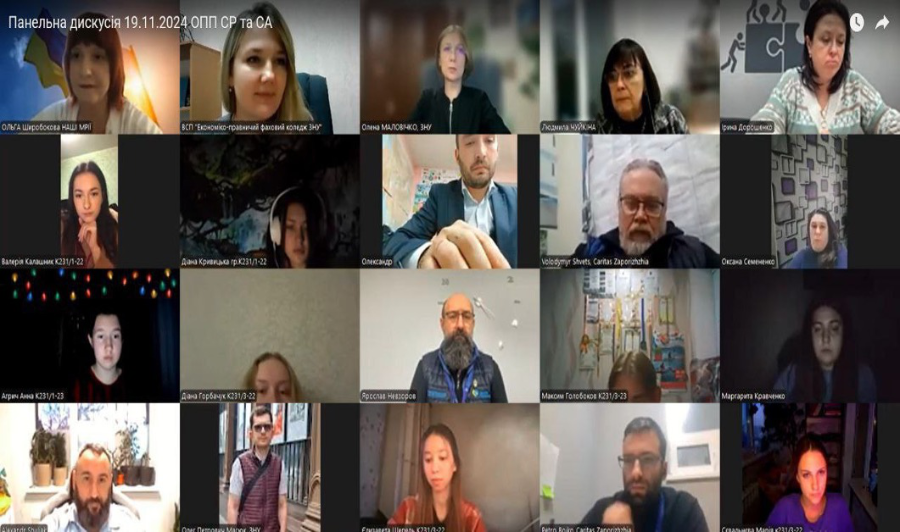


An integrated model of competency-based training for social workers in Ukraine: experience in implementing a participatory approach and implementing the Global Standards for Education in Times of War.
In the context of the full-scale war in Ukraine, which has caused profound social upheaval, social work education has emerged as a form of political action aimed at supporting democratic values, human rights, and social justice. These challenges are especially acute in frontline cities such as Zaporizhzhia, where social instability, humanitarian crises, and mass population displacement require professionals to develop new professional and civic skills.
Under these conditions, the implementation of a participatory approach to the professional training of social workers, which ensures the active involvement of stakeholders – students, teachers, employers, graduates – in the development and updating of educational programs, becomes particularly relevant. The integration of the provisions of the Global Standards for Social Work Education and Training has served as a guideline for improving the quality of professional training and forming civic activism and resilience of future professionals capable of acting in crisis conditions.
The research, the results of which are presented in this article, was carried out in the extremely difficult realities of the frontline city of Zaporizhzhia. The authors of the article combine scientific and practical experience in the field of social work, which allows them to conduct a deep analysis of educational processes in unprecedented conditions of social turbulence. This approach provided a comprehensive vision of the effectiveness of the integrated model of training social workers in Ukraine through the implementation of a participatory approach in a crisis period.
As a result of the war in Ukraine, the educational process has undergone significant changes: traditional models of training social workers, focused mainly on the formal acquisition of professional knowledge and skills, have shown their limitations in response to new social challenges. Mass population displacement, destruction of infrastructure, constant humanitarian crises, power outages, distance learning in the face of air raids require specialists not only professional competence, but also readiness to act in situations of social instability and legal uncertainty. The lack of models capable of combining the development of professional skills with the formation of civic activity, critical thinking and resilience has necessitated the search for an integrated approach to social work education in times of crisis.
The purpose of the presented authors’ development is to create and implement an integrated educational model that combines a competency-based approach and the principles of participatory education to increase the effectiveness of professional training of social workers in conditions of war and social instability. The results obtained have practical significance, as they contribute to the formation of readiness for action in crisis situations among students, the ability to support communities during humanitarian challenges, the preservation of social stability and the protection of human rights in conditions of deep social transformations.
The study is based on the analysis of practical experience in implementing the integrated model, the results of accreditation expertise, monitoring studies of education quality, focus group discussions and stakeholder surveys. Content analysis of educational standards and international recommendations allowed us to assess the effectiveness of the model in the formation of professional competencies and civic engagement, as well as identify opportunities for adapting the Global Standards to the realities of Ukrainian society.
In the context of radical social changes caused by war, social work education needs new strategies that can ensure the training of specialists who will not only possess professional skills, but also be ready to actively act to protect human rights, support social justice and promote democratic transformations. The participatory approach is an important response to these challenges, as it creates conditions for real interaction between all participants in the educational process and allows orienting the training of social workers to the real needs of the community.
Unlike the traditional model, where students act as passive consumers of knowledge, the participatory approach involves their active participation in the processes of developing educational content, evaluating educational programs, and implementing innovative teaching methods. Involving students, employers, public organizations, and graduates in jointly defining the goals and objectives of professional training allows for the formation of a flexible educational environment that can quickly respond to changes in society and the professional sphere.
An example of the successful integration of these approaches is the experience of the Separate Structural Subdivision «Vocational College of Economics and Law of Zaporizhzhia National University». This educational institution implemented a set of measures aimed at expanding the participation of students, graduates, employers and representatives of the public sector in the processes of updating the educational program of the specialty «Social Work». The focus was not only on harmonizing the educational content with formal standards, but also on including in the programs elements that develop the ability of students to analyze social problems, participate in public initiatives, and advocate for human rights.
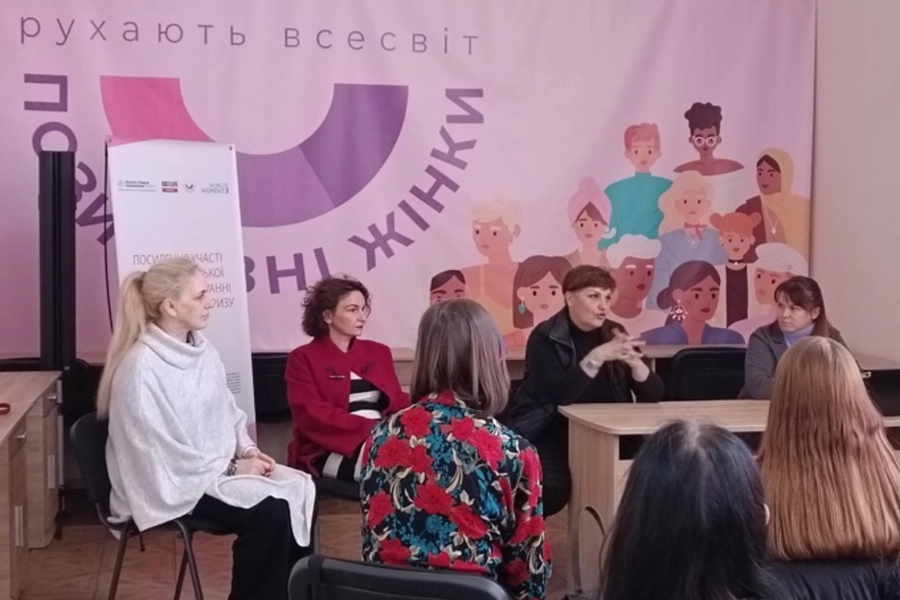
The process of updating the educational program is carried out in the form of systematic open discussions by a working group, which includes the authors of this study, focus group meetings with employers – representatives of the state and non-state sectors of social services. Among the constantly involved stakeholders are the Zaporizhzhia City Center for Social Services, charitable organizations «Caritas Zaporizhzhia», «100 percent of Life.Zaporizhzhia», «Positive women Zaporizhzhia», the International Anti-Drugs Association, the Ukrainian Red Cross Society (Zaporizhzhya city organization), as well as crisis psychologists of the Zaporizhzhia Regional Center for Social Services. In addition to employers, graduates, students and teachers who ensure the implementation of the educational and professional program «Social Work» are involved in the update.
In particular, at the meetings, representatives of public organizations emphasized the importance of including modules on the basics of international humanitarian law in the educational process, which is due to the growing need for the protection of human rights in war conditions, recommended expanding the practical training of students by involving them in providing first psychological aid to affected communities, and emphasized the need to develop group work and social advocacy skills through the active use of group discussion methods in solving urgent social problems.
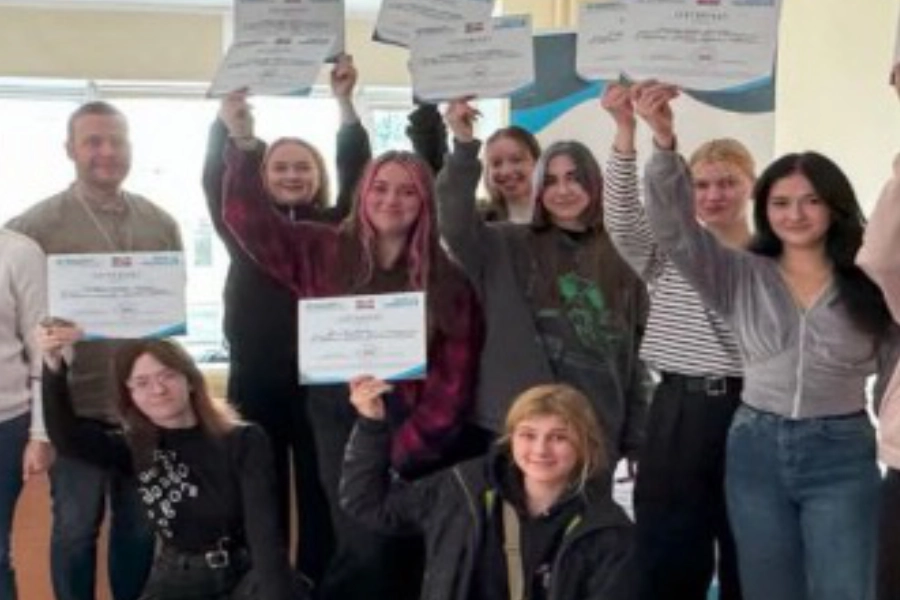
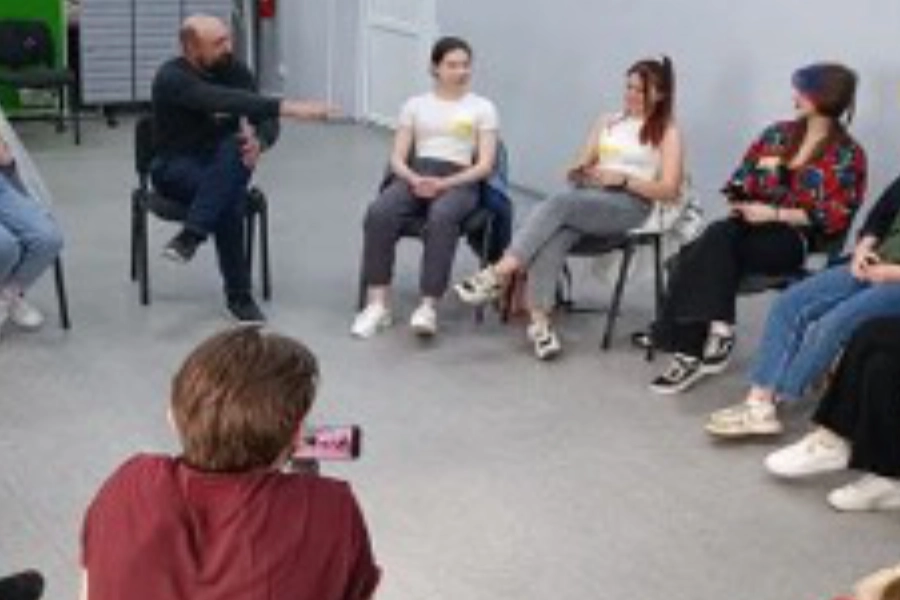
In response to the above suggestions and as one of the important directions of implementing the integrated model of competency-based training of social workers, the systematic involvement of social practitioners in conducting guest lectures, trainings and practical classes for students was introduced. Despite the difficult conditions of wartime, the educational process was adapted to ensure practical training of students by integrating real experience of working in social services and public organizations.
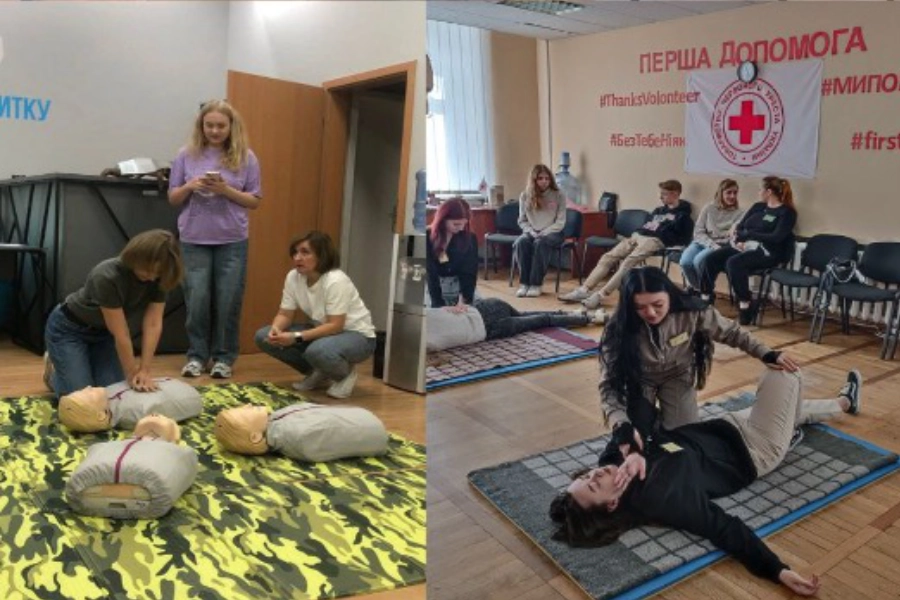
Over the course of two years, a series of events were held, the topics of which included first aid to victims of shelling, providing first psychological aid to displaced persons, legal support to victims of the conflict, preventing gender-based violence, working with vulnerable groups of the population, and developing psycho-emotional self-regulation skills in stressful situations.
It is important that the participatory approach was not limited to formal consultations with students of the specialty. Students actively participated in the development of educational cases, conducting social research, and organizing volunteer initiatives, which contributed to the formation of not only professional skills, but also a deep understanding of their own role in the processes of social change. Among the specific proposals from the students was the initiation of training sessions directly in stakeholder organizations that provide social services in wartime.
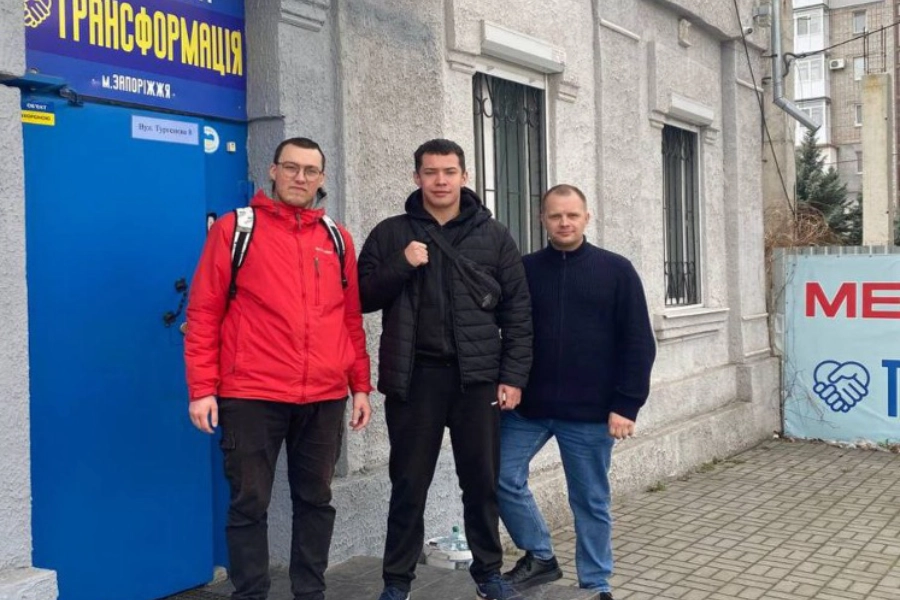
In response to this proposal, practicing specialists were involved in teaching the discipline «Social Work in Extreme Conditions»: the head of the «Transformation» rehabilitation center in the city of Zaporizhzhia and the executive director of the charitable organization «CF «Positive Women Zaporizhzhia».
Direct participation in practical activities allowed students to deepen their understanding of the specifics of working with different categories of clients in crisis conditions, acquire skills in interdisciplinary interaction, crisis counseling, and development of individualized support plans.
Such practices have become a real mechanism for adapting Global Standards to a specific local context, while at the same time maintaining international requirements for the quality of training and responding to the unique challenges of Ukrainian society in wartime.
Students who were trained according to the updated model demonstrated higher motivation to participate in community initiatives, volunteer projects, and social counseling of the affected population. It is especially valuable that their participation in real social practices was not limited to the performance of formal tasks, but was aimed at actively defending the interests of vulnerable groups, supporting local communities, and developing social solidarity.
The results of the internal monitoring of the quality of education and the analysis of stakeholder surveys conducted in 2024 show the high efficiency of the implemented approach. According to the annual survey, 87% of students, 100% of academic staff, and 92% of employers positively evaluated the updated educational program, emphasizing its relevance to the real challenges of professional activity in a crisis. Focus group discussions of the program confirmed that the updated educational model contributes to the development of ethical sensitivity, civic engagement and students’ readiness to participate in social change, which corresponds to the main guidelines of the Global Standards for Social Work Education and Training.
This approach laid the foundation for the formation of competencies for a generation of social workers educated in wartime – professionals capable not only of adapting to changing conditions, but also of actively contributing to building a fairer and more sustainable society.
Despite the achieved results of the implementation of an integrated model of competency-based training with elements of a participatory approach and orientation to Global Standards, the further development of this model faces a number of serious challenges. The greatest threat remains the risk of formalization of participatory practices, when stakeholder involvement turns into a ritual without a real impact on the content of education. To avoid this, it is necessary to maintain constant active interaction between all participants in the educational process, ensuring the openness of programs to changes and reflection on the real needs of communities.
Maintaining a balance between professional training and the development of the humanitarian component of education also remains an important problem. In an effort to meet market requirements, there is a risk of excessive technocratic narrowing of the content of training, which can lead to a weakening of the ethical, civic and critical components of professional competence. Supporting an integrative approach that combines a deep theoretical base with a practical orientation and value principles of social work becomes one of the key conditions for the successful development of the model.
In times of crisis and the destruction of basic social institutions, social work education becomes not only a space for knowledge transfer, but also a tool for social resistance and recovery. The implementation of a participatory approach contributes to the training of specialists who are ready to actively participate in building a democratic, just and sustainable society, focused on respect for human dignity and social solidarity.
References
- Report on the Results of Accreditation Expertise – Economic and Legal Vocational College of Zaporizhzhia National University. drive.google.com
- Report on the Results of Monitoring the Quality of the "Social Work" Educational and Professional Program. drive.google.com
- Panel Discussion "Social Work": Exchange of Views Between Generations of Social Workers. epkznu.com
- Global Standards for Social Work Education and Training. iassw-aiets.org