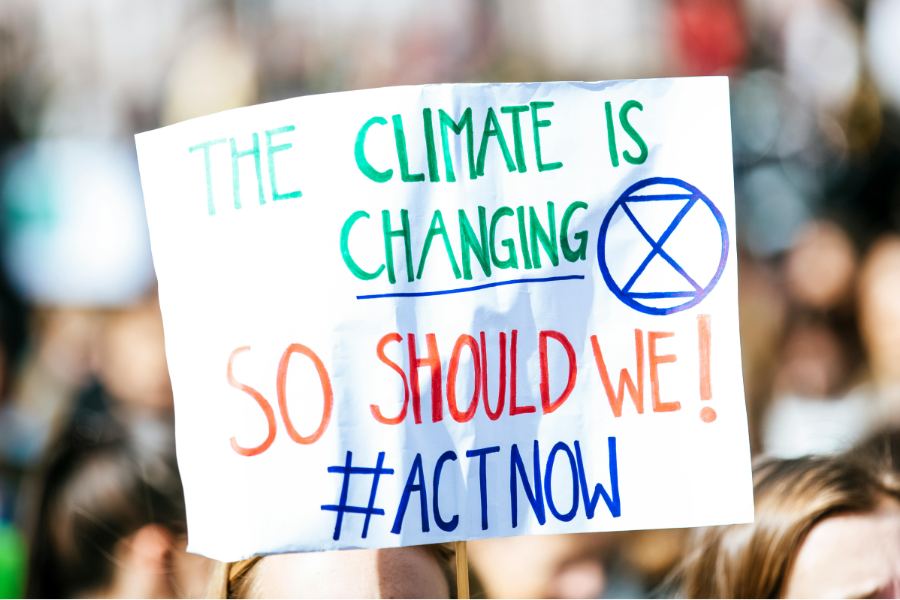




Beyond Relief: Political Engagement of Social Work in Climate-Induced Displacement
Introduction
Climate change is a major driver of human mobility, reshaping settlement, migration, and displacement via both slow-onset processes (sea-level rise, desertification, salinisation) and rapid-onset disasters (cyclones, floods, wildfires). Narrow relief-centred models are increasingly inadequate. This article reframes climate-induced displacement as a political question of rights, justice, and governance, arguing that social work must go beyond relief into advocacy, organising, policy change, and movement-building grounded in eco-social work, disaster justice, and de-colonial frameworks.
Background
Displacement patterns are shaped by structural inequalities and power—colonial extraction, carbon capitalism, caste/race, gendered labour, and unequal access to land, housing, credit, and insurance. Hazards interact with zoning, infrastructure neglect, and uneven disaster planning, exposing marginalised groups while shielding privileged ones. Relief and short-term psychosocial support remain essential but insufficient; a justice-oriented, politically engaged praxis is required.
Climate-Induced Displacement: Multiple Pathways
Forms include disaster displacement (sudden hazards; often internal, sometimes protracted), slow-onset migration (gradual degradation; permanent or state-planned relocation), and trapped populations who cannot move due to poverty, disability, documentation gaps, or social ties.
Justice-Oriented Frameworks
Eco-social work links ecological sustainability with social justice. Climate justice centres disproportionate impacts and obligations of high emitters. Disaster justice scrutinises how preparedness/response/recovery distribute harms and benefits, demanding transparency and participation. A de-colonial lens critiques development models that perpetuate dispossession and elevates Indigenous and local knowledge.
Social Work’s Political Mandate
Ethical principles commit social work to advocacy and structural change. In climate displacement this includes shaping laws/policies, mobilising budgets, ensuring accountability, and transforming narratives. Political engagement is central—not optional—to social justice practice.
Policy Advocacy and Legislative Engagement
Translate community needs into demands such as hazard-resilient housing, portable social protection, livelihood guarantees tied to adaptation. Contribute to relocation guidelines, adaptation plans, and disaster policy. Pursue budget justice (analysing gaps; pressing allocations for DRR, gender-responsive shelters, nature-based solutions) and non-partisan voter education in high-risk areas.
Community Organising and Power-Building
Facilitate neighbourhood assemblies, basin committees, and women’s collectives to negotiate housing, livelihoods, and safety. Use power mapping to plan leverage strategies (hearings, petitions, strategic litigation). Support mutual-aid and solidarity economies; engage youth via climate clubs, participatory mapping, and drills.
Strategic Litigation and Legal Empowerment
Use public-interest litigation against unlawful evictions, discriminatory relief, or failure to implement standards. Enable access to IDs, compensation, and portable entitlements. Train community paralegals to document violations and accompany survivors.
Data Activism and Knowledge Politics
Back community-led risk mapping (participatory GIS, hazard diaries, storytelling) and open data audits to expose exclusions. Uphold privacy, consent, and benefit-sharing; ensure community data ownership to democratise knowledge and challenge top-down decisions.
Media, Culture, and Narrative Strategy
Counter stereotypes by amplifying resilience and leadership through radio dramas, photo-voice, podcasts, and climate memory archives. Issue rapid media advisories during disasters to highlight rights concerns (e.g., unsafe camp conditions, GBV risks).
Professional Organising and Ethics Infrastructure
Strengthen associations/unions to secure safe working conditions and resist outsourcing without resources. Equip ethics committees to support advocacy and protect whistleblowers, embedding political action within professional structures.
Practice Arenas Across the Displacement Cycle
Preparedness and Risk Reduction
Work with planning, housing, and water departments on vulnerability assessments informing zoning/relocation. Advocate no-build zones paired with dignified relocation and livelihood planning. Promote shock-responsive social protection with portable cash transfers triggered by early warnings.
Emergency Response
Ensure equitable, inclusive relief: disability access, gender-safe WASH, culturally appropriate services. Establish community-led camp governance for accountable decision-making.
Conclusion
Climate-induced displacement exposes deep structural inequalities. Social work must move decisively beyond relief toward political engagement—advocacy, collective organising, ethical data practice, and narrative transformation—centred on dignity, participation, and justice, recognising displaced people as agents in shaping their futures.
References
- Cannon, T., & Müller-Mahn, D. (2010). Vulnerability, resilience and development discourses… doi.org
- Malm, A., & Hornborg, A. (2014). The geology of mankind? journals.sagepub.com
- Pulido, L. (2016). Flint, Environmental Racism, and Racial Capitalism. tandfonline.com
- IFSW. Global Social Work Statement of Ethical Principles. ifsw.org
- Jones, P. (2012). Green Social Work… doi.org
- Adaptation Community. Climate Change and Migration. adaptationcommunity.net
- Smith-Carrier, T., & MacArthur, J. (2024). Eco-social work training in Canada. journals.sagepub.com
- Wu, H., Greig, M., & Bryan, C. (2022). Promoting environmental justice… doi.org
- Gibson, A. (2024). Environmental Justice and Disasters… springerpub.com
- Bhuyan, R., Wahab, S., & Park, Y. (2019). A Green New Deal for Social Work. doi.org
- Rambaree, K. (2020). Environmental social work in curricula. doi.org
- Córdoba, P. S. (2023). Transforming Our World… doi.org
- Tulane University. Policy Advocacy in Social Work. tulane.edu
- Kishan, R. Social work techniques applied to environmental issues. socialworkin.com
- Tenzing, J. D. (2020). Integrating social protection and climate adaptation. doi.org
- CSR Education. Role of Community Organisation in Modern Social Work. csr.education
- MDPI. Integrated Participatory & Collaborative Risk Mapping. mdpi.com
- Legal Service India. Digital privacy & data protection as human rights. legalserviceindia.com
- SciELO. Photovoice guidelines for transforming social work research. scielo.org.za