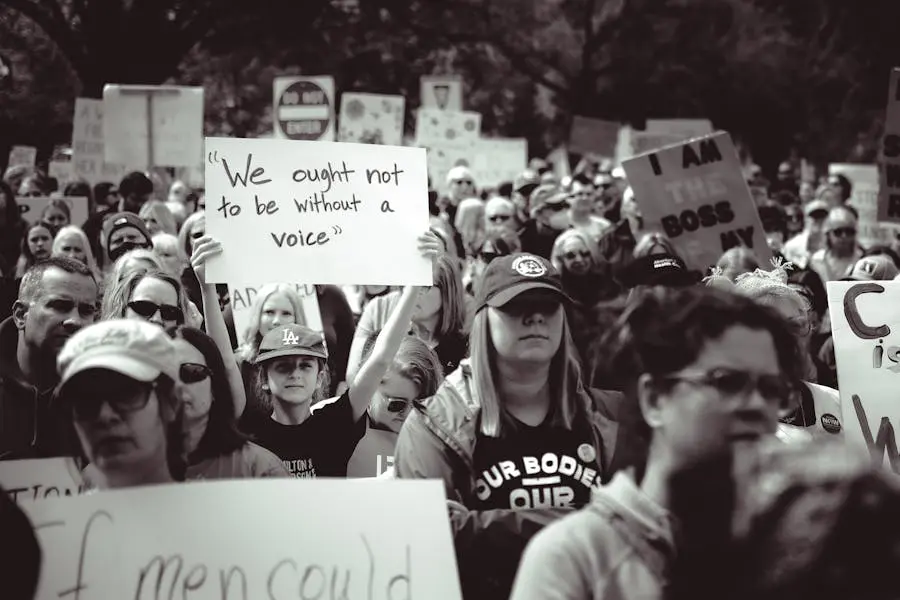

Guest Editorial: The Politics of Social Work – A Call for Courage and Action in an Unfair World
The world we inhabit today is marked by uncertainty, complexity, and geopolitical conflict. Societies across the globe remain deeply fragmented, unequal, and unjust—despite the remarkable economic and technological progress of recent decades. The world is becoming increasingly unempathetic and unfair as a small group of individuals with power, privilege, and access to opportunities determine the fate of the majority. Even in nations where democracy is well established, decision-making often lies in the hands of the elite, whose economic and social standing ensures control over public policy and governance.
The thirty-three insightful pieces of research and reflection presented in this issue of Social Dialogue remind us of the courage and resistance needed to live ethically in a world where a small percentage of people control a disproportionate share of global wealth while millions struggle daily for food, shelter, and basic healthcare. The aim of this special issue is to highlight evidence of social work interventions that bring about positive and meaningful change, even for small groups of vulnerable and marginalized populations.
Humanity today is witnessing a series of unprecedented events that challenge our moral conscience. In many countries, social work is neither fully recognized nor widely accepted, despite the profession’s transformative impact on communities. Yet, these realities should not lead to despair or resignation. Rather, they must inspire us to learn from history and continue working toward easing the pain and suffering that societies face. History is replete with examples of individuals and movements that resisted oppression and fought for justice—civil rights, women’s equality, labor protections, and environmental justice all emerged from people’s refusal to accept inequality as inevitable.
In the contemporary world, social work carries an immense responsibility to move beyond theoretical discussions of justice and equality and engage directly in courageous action. This issue features contributions on political social work across diverse national contexts, addressing themes such as the role of social work in unjust societies, the politics of information and communication technologies, the implications of artificial intelligence for education and practice, the indigenization of social work, the fight against gender-based violence, and social workers’ responsibility to confront modern-day injustices. Together, these articles offer a thought-provoking and globally relevant dialogue.
Contemporary Global Issues That Demand Courage and Action

Today’s world faces mounting challenges—climate change, geopolitical crises, economic instability, and deepening social inequality—all contributing to global uncertainty. Recent political upheavals in Bangladesh, Sri Lanka, Afghanistan, and Nepal, which led to the fall of governments, underscore the devastating consequences of inequality, social division, and poor governance. Yet, these events also highlight the power of ordinary people to question unfair systems and demand justice. Several contributions in this special edition explore how social work can effectively address inequality, injustice, and violence in such turbulent times.
The rapid advancement of science and technology poses another complex threat. While digital innovation has made the world more interconnected, it has also left many individuals lonelier and more alienated, with relationships increasingly mediated by screens and algorithms that prioritize engagement over empathy. Articles in this issue, such as The Political Economy of Artificial Intelligence: A Critical Social Work Perspective, The Politics of Information and Communication Technologies (ICT) and Implications for Social Work, and Responsible Resistance: Social Work’s Stand Against Harmful AI Practices, address the ethical challenges of the digital era and advocate for technology that serves humanity rather than exploits it.
Several contributions focus on the realities of practicing social work in unjust societies such as South Africa, emphasizing the importance of integrating discussions of inequality and justice into the social work curriculum, field education, and research. Preparing future professionals to act courageously in an unequal world is essential, as growing disparities fuel political polarization, populism, and unrest. Articles like Challenging the Profession: Voicing the Politics of Social Work Practice in Uganda confront these issues adequately and illustrate the global dimensions of injustice.
Ultimately, the unfairness of the world is both a reality and a challenge. Justice is not self-sustaining—it requires intentional effort, compassion, and solidarity. While we may never eradicate all inequality, our collective actions can reduce suffering and reaffirm our shared humanity.
War, Displacement, and the Role of Social Work
This special issue also features important discussions on war, displacement, and violence. A compelling article from Georgia explores legislative reforms, civil protest, and professional challenges for social workers in contexts of political upheaval. Ongoing conflicts—such as those between Ukraine and Russia, and Israel and Palestine—continue to disrupt social, economic, and cultural life across nations. Social work, as a human rights profession, must respond proactively to the growing global refugee crisis and the trauma of displacement.
Gender Inequality and Emerging Challenges
Gender inequality remains a major concern in both developing and developed nations. More than a decade after the introduction of the Sustainable Development Goals, gender-based discrimination continues to hinder progress. Contributions in this issue call for an emancipatory approach to social work that confronts gender-based violence and addresses inequities within higher education institutions.
The rapid rise of artificial intelligence, coupled with misinformation and the misuse of digital technologies for political gain, further exacerbates inequality and unrest. At this critical juncture, social work must embrace its political role—standing alongside citizens to build just, equitable, and democratic societies.
With thirty-four contributions from across the globe, this 30th edition of Social Dialogue seeks to foster an urgent conversation on The Politics of Social Work – The Need for Courage in an Unfair World. We also encourage readers to explore two related texts published by Oxford University Press:
- The Oxford Handbook of Power, Politics, and Social Work (OUP, 2024)
- Social Work in an Unequal World (OUP, 2025)